

When you need a quick infusion of cash—whether it’s for an unexpected car repair, a home improvement project, or consolidating high‑interest debt—the first thing on most people’s minds is how much they’ll actually pay each month. In 2026 the landscape has shifted in subtle ways that can either save you money or add hidden costs. Below we break down the latest figures from Bankrate and other industry voices, show how rates vary by credit score, and point out the newest lending platforms that are reshaping access for borrowers with less-than‑perfect scores.
What Are Today’s Average Personal Loan Rates?
The most reliable snapshot comes from Bankrate’s April 8, 2026 data. Their survey—drawn from the ten largest banks and thrifts in major U.S. markets—reports an average APR of 12.04% for a $5,000 loan with a three‑year term and a 700 FICO score. That number is a useful yardstick because it reflects what most borrowers without special relationships or automatic payment discounts would face.
But averages can mask extremes. The same Bankrate report lists the median lowest rate at 6.20%, a figure that elite‑credit borrowers could secure through lenders like LightStream or certain credit unions. Conversely, for those with lower scores, APRs can climb into the high teens or even close to 36% if they turn to payday‑style platforms.
- Average APR (700 FICO, $5k, 3‑yr): 12.04%
- Median lowest rate: 6.20%
- Highest observed rates: up to 35.99%
The Credit‑Score Gap: Why Your Score Matters
If you’re sitting on a 720 FICO score, congratulations—you’re in the sweet spot for competitive rates. In fact, the Bankrate data shows that borrowers with scores above 740 often receive APRs below 8%, especially when they choose lenders that offer auto‑payment discounts or partner credit unions.
On the other side of the spectrum, bad‑credit borrowers (scores below 630) face a different reality. A NerdWallet study from 2026 noted an average APR of 21.65% for this group. RadCred’s March 24, 2026 announcement highlights how AI‑powered matching can help these consumers access state‑licensed lenders offering APR ranges between 18% and 35.99%, often with lower origination fees than traditional payday lenders.
In practical terms, a borrower with a 580 score might see an APR of 24%, while one with a 610 could snag 20%. The difference in monthly payments on a $5,000 loan over three years can swing from roughly $164 to $187—an impact that’s hard to ignore.
How Origination Fees Skew the Real Cost
APR figures capture interest plus fees, but many borrowers still overlook origination fees. These can range from 1% to as high as 12% of the loan amount. For a $5,000 loan, that’s $50 to $600 taken out of your proceeds before you even get the cash.
| Fee Type | Typical Range | Impact on $5,000 Loan |
|---|---|---|
| Origination Fee | 1% – 12% | $50 – $600 |
| Prepayment Penalty | 0% – 3% | $0 – $150 |
| Late Payment Fee | $25 – $40 per month | N/A (depends on missed payment) |
When you factor these fees into the APR, the total cost of borrowing can rise noticeably. That’s why some lenders—especially online platforms that keep overhead low—offer zero origination fee options for borrowers who meet certain credit criteria.
The Rise of AI‑Powered Loan Matching Platforms
One of the most exciting developments in 2026 is the expansion of Jetzloan, a new player that uses machine learning to match applicants with state‑licensed lenders. By analyzing over 100 data points—from bank transaction patterns to gig‑economy income stability—Jetzloan can assess repayment capacity without pulling your credit score hard.
This model is especially beneficial for those who have been rejected by traditional banks because of a low FICO number. According to Jetzloan’s own disclosures, the platform currently offers loans ranging from $300 to $5,000 with terms up to 24 months, all while providing full APR disclosure upfront.
Unlike RadCred, which focuses on “bad‑credit” borrowers, Jetzloan aims for a broader audience. Whether you have a 650 score or a 720, the platform claims to provide at least one lender that matches your financial profile and desired loan amount.
How the Matching Process Works
- Step 1: Complete a quick online questionnaire covering income, employment status, and existing debt.
- Step 2: Provide proof of identity (e‑ID or photo ID) and optional bank statements for automated verification.
- Step 3: Receive real‑time offers from participating lenders, each with a clear APR, origination fee, and repayment schedule.
- Step 4: Accept an offer and complete the lender’s underwriting process (which may include a soft credit pull).
The entire workflow can be completed in under 30 minutes, and many borrowers report same‑day funding once the lender approves their application.
What Lenders Are Offering in 2026?
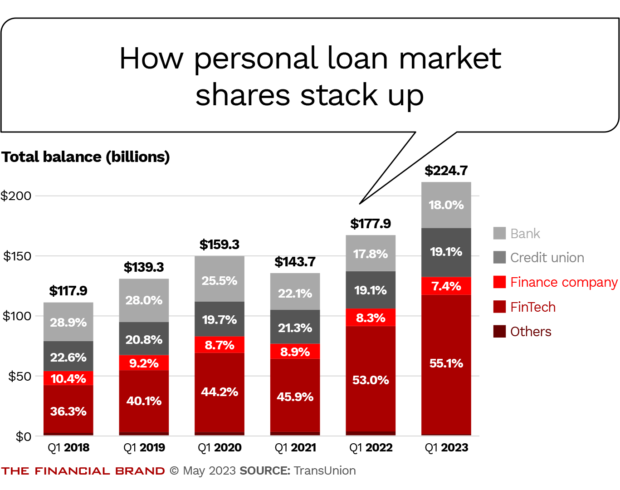
Beyond Jetzloan, the market still features a mix of traditional banks, credit unions, online lenders, and peer‑to‑peer platforms. Below is a snapshot of what each segment typically offers:
| Lender Type | Typical APR Range | Common Fees | Ideal Borrower Profile |
|---|---|---|---|
| Commercial Bank | 8.74% – 24.49% | Origination (1–3%), prepayment penalty (0–2%) | Good credit, stable income, existing relationship |
| Credit Union | 7.99% – 17.99% | Origination (0–1%), membership fee | Local member, moderate credit |
| Online Lender (e.g., LendingClub) | 6.25% – 35.99% | Origination (0–5%), late fee ($25–$40) | Broad credit range, quick funding |
| P2P Platform (e.g., Prosper) | 8.99% – 35.99% | Origination (1–3%), investor fee (1%) | All credit levels, flexible terms |
| AI‑Matched Platform (e.g., Jetzloan) | 6.20% – 35.99% | Origination (0–2%), no prepayment penalty | All credit levels, emphasis on speed |
When comparing offers, it’s crucial to look beyond the APR. A lender with a slightly higher rate but zero origination fee can be cheaper over the life of the loan than one with a lower APR but hefty upfront costs.
Using Online Calculators to Forecast Your Payment
A quick way to see how different rates affect your monthly bill is to plug your numbers into an online personal‑loan calculator. Most calculators let you input:
- Loan amount (e.g., $5,000)
- APR (e.g., 12%)
- Term in months (e.g., 36)
The tool then outputs the monthly payment and a payoff schedule. For example, at 12% APR over three years, a $5,000 loan would cost about $164 per month. Drop the rate to 8%, and that payment slides down to roughly $149.
Regulatory Landscape: What’s New in 2026?
The Consumer Financial Protection Bureau (CFPB) released new guidance in early 2026 aimed at protecting borrowers from hidden fees on personal loans. Key takeaways include:
- Lenders must disclose the total cost of credit, including all fees, within three business days after application.
- Any “soft” pre‑qualification pulls are exempt from a hard inquiry but still must be disclosed.
- State‑licensed lenders now face stricter oversight for loans over $5,000, especially those marketed to low‑credit borrowers.
These rules have pushed many platforms—particularly AI‑matched ones—to provide clearer upfront pricing. Jetzloan’s public FAQ states that it displays the full APR and any origination fee before you accept an offer, aligning with CFPB expectations.
How to Spot Red Flags in Loan Offers
Even with regulations, some lenders still try to hide costs. Watch out for:
- “Low rate” offers that come with a high origination fee or hidden prepayment penalty.
- Promised “same‑day funding” but no clear timeline on when the money will actually arrive.
- Lenders asking for unusual documents—like a copy of your credit report—to prove income.
When in doubt, compare at least three offers and read customer reviews. Sites like Bankrate’s “Best Personal Loans” list provide user ratings that can help you gauge satisfaction levels beyond the numbers on paper.
The Bottom Line for 2026 Borrowers
For those with solid credit, the market still rewards them with rates well below 10%. However, as more borrowers turn to alternative platforms—especially AI‑powered matchmakers like Jetzloan—the competition among lenders is increasing. This means you can often find a decent APR even if your score isn’t perfect, provided you shop around and pay close attention to fees.
In short, the key to a smart personal loan decision in 2026 is: compare the true cost of borrowing—APR plus all fees—across multiple platforms; use reputable calculators; stay aware of new regulatory protections; and don’t be afraid to ask lenders for clarification on any hidden charges.